


Understanding Cataracts: How They Develop and Affect Vision
Understanding Cataracts: How They Develop and Affect Vision
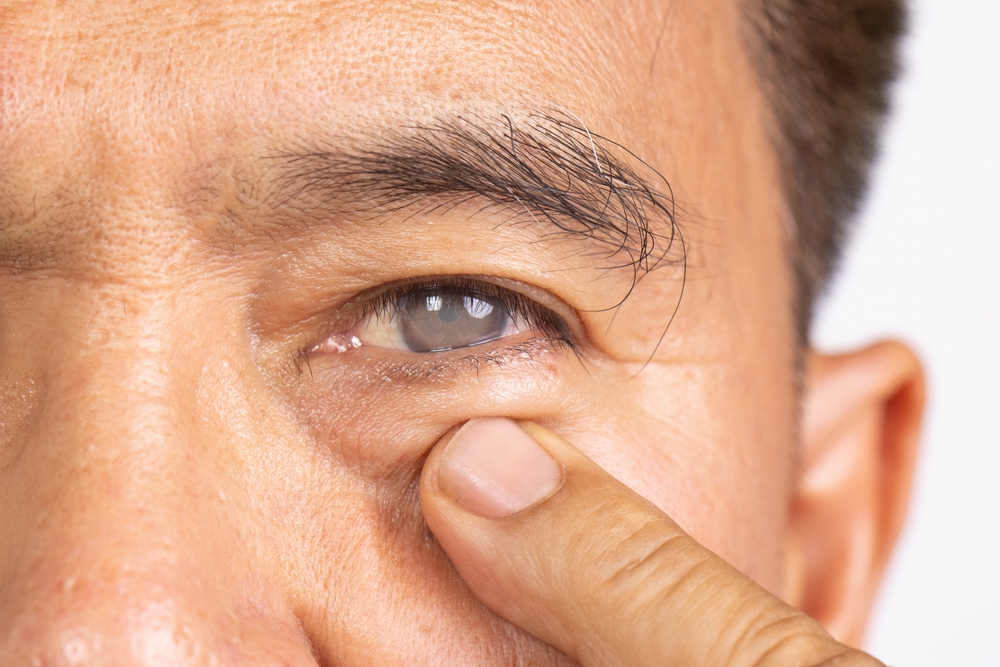
Cataracts are one of the most common causes of vision changes as we age, yet many people don’t fully understand what they are or how they develop. Understanding cataracts, how they affect your sight, and how they’re managed can help you take proactive steps to protect your long-term vision.
What Is a Cataract?
A cataract occurs when the natural lens of the eye becomes cloudy. The lens, located behind the iris and pupil, is normally clear and flexible. Its job is to focus light onto the retina so you can see clearly. When the lens becomes cloudy, light cannot pass through as easily, resulting in blurred or distorted vision. Cataracts are not a film growing over the eye. Instead, they develop within the lens itself, gradually interfering with your ability to see clearly.
How Do Cataracts Develop?
Cataracts most commonly develop as part of the natural aging process. Over time, proteins in the lens begin to break down and clump together. These clumps create cloudy areas that worsen gradually.
While age-related cataracts are the most common type, several other factors can increase your risk:
Diabetes
Prolonged exposure to ultraviolet (UV) light
Smoking
Long-term use of certain medications, such as corticosteroids
Previous eye injuries or surgeries
Family history of cataracts
In many cases, cataracts develop slowly and may not cause noticeable symptoms in the early stages. Routine eye exams allow your eye doctor to detect changes before they significantly impact your vision.
How Cataracts Affect Vision and Daily Life
Cataracts can interfere with everyday activities such as reading, driving, and recognizing faces. Night driving often becomes especially challenging due to glare from headlights. Tasks that require detailed vision may also become more difficult. If left untreated, cataracts can continue to progress and significantly reduce your quality of life. However, with proper monitoring and timely treatment, vision can often be restored.
Diagnosis and Treatment
Cataracts are diagnosed during a comprehensive eye exam. Your eye doctor will examine the clarity of your lens and assess how well you’re seeing. In early stages, updating your prescription or improving lighting may help manage symptoms.
When cataracts begin to interfere with your daily activities, surgery may be recommended. Cataract surgery involves removing the cloudy lens and replacing it with a clear artificial lens called an intraocular lens (IOL). It is one of the most common and highly successful procedures performed today.
The Importance of Routine Eye Exams
Routine eye exams play a critical role in detecting cataracts early and monitoring their progression. Even if your vision seems stable, regular visits allow your eye doctor to identify subtle changes before they become problematic.
Early detection offers several benefits:
Monitoring progression over time
Managing risk factors
Determining the ideal timing for treatment
Preserving your overall eye health
Annual eye exams also help detect other eye conditions that may occur alongside cataracts, such as glaucoma or macular degeneration.
Stay Ahead of Cataracts with Justice Vision Clinic
Cataracts are a natural part of aging for many people, but they don’t have to diminish your quality of life. Understanding how cataracts develop and recognizing their symptoms can help you seek care at the right time. Most importantly, routine eye exams are essential for early detection, careful monitoring, and preserving clear vision for years to come.
Contact Justice Vision Clinic to schedule your next eye exam and stay ahead of cataracts. Visit our office in Duluth, Georgia, or call (770) 626-7883 to book an appointment today.
All Eyecare
Services

Keep
In Touch

Contact Information
Hours of operation
- Monday9:00 AM - 6:00 PM
- Tuesday9:00 AM - 6:00 PM
- Wednesday9:00 AM - 5:00 PM
- Thursday9:00 AM - 7:00 PM
- Friday9:00 AM - 6:00 PM
- SaturdayClosed
- SundayClosed
© 2026 Justice Vision Clinic All rights Reserved - Accessibility Statement - Privacy Policy - Sitemap
Powered by: 